Old Brompton Road upholstery cleaning specialists
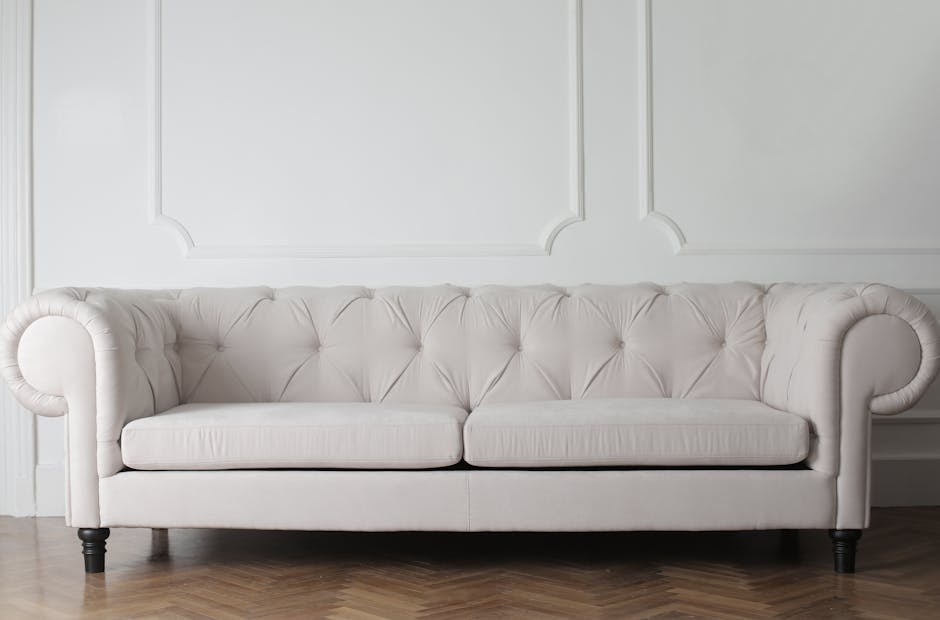
If your sofa has lost its colour, your armchair is looking a bit tired, or a dining chair has picked up one too many coffee marks, you are probably already at the point where a quick surface wipe just will not cut it. That is exactly where Old Brompton Road upholstery cleaning specialists come in. The right cleaning approach can freshen fabric, lift odours, reduce visible staining, and help furniture last longer without that over-wet, shabby finish nobody wants. In a place like Old Brompton Road, where homes, flats, offices, and serviced properties see plenty of daily use, upholstery care is less of a luxury and more of a sensible maintenance job.
This guide explains what specialist upholstery cleaning involves, how the process works, what benefits you should expect, and how to choose the right service with confidence. It also covers common mistakes, practical tips, and the kind of questions people usually ask before booking. Let's face it, nobody wants a lovely chair ruined by the wrong product or too much enthusiasm with a spray bottle.
Why Old Brompton Road upholstery cleaning specialists Matters
Upholstery is one of those things people live with every day and stop noticing until it starts looking dull, patchy, or slightly suspicious in the afternoon light. In homes around Old Brompton Road, that often means sofas near windows, occasional chairs in busy living rooms, dining seating that collects crumbs and spills, and office furniture that quietly takes a beating from constant use. A specialist approach matters because upholstery is not just another fabric. It may include delicate fibres, blended materials, foam fillings, trims, stitching, and finishes that react differently to heat, moisture, and chemicals.
The main reason people choose specialists is control. You want the right method for the material, not a one-size-fits-all blast. A good technician will identify whether the item needs low-moisture extraction, careful spot treatment, or a gentler fabric-safe clean. That matters even more for expensive furniture, antique pieces, textured fabrics, and items that have sentimental value. Truth be told, some pieces are worth more in everyday comfort than in purchase price, which is why people get nervous before cleaning them.
There is also the hygiene side. Upholstery can trap body oils, pet dander, dust, allergens, food residue, and odours. You do not always see it, but you will often notice it when a room no longer smells fresh. A proper clean can help restore that cleaner, lighter feeling in the room. If your property is used for guests, clients, or tenants, that can make a noticeable difference to presentation as well.
For a broader fabric care approach, many customers also look at related services such as sofa cleaning, curtain cleaning, and rug cleaning so the whole room feels properly refreshed rather than half-done.
How Old Brompton Road upholstery cleaning specialists Works
Specialist upholstery cleaning usually starts with inspection. That sounds simple, but it is the part that prevents problems later. A trained cleaner should check the fabric type, colour stability, stain history, level of soiling, and any care labels or manufacturer guidance. Some items can be wet cleaned safely; others need a more cautious method. If there is damage already, that is noted too. No point pretending a weakened seam is magically fine.
Once the fabric is assessed, the cleaner will normally pre-vacuum the item to remove loose dust and grit. This step is easy to underestimate, yet it makes a real difference. Dry soil can abrade fibres during cleaning if it is left in place. After that comes pre-treatment, where suitable cleaning solutions are applied to break down general grime or specific spots. For older marks, the cleaner may need to work on them in stages rather than trying to force them out all at once.
The actual cleaning method depends on the material. Many upholstery jobs use a controlled hot water extraction style or low-moisture process, but not every piece is suitable for that. Microfibre, velvet, wool blends, natural fibres, leather-look fabrics, and delicate weaves all need different handling. The aim is to clean thoroughly without overwetting the filling underneath. Too much moisture can lead to slow drying, distortion, or that slightly stale smell people dread.
After cleaning, the fabric is usually groomed or brushed to improve the finish and help the pile stand evenly. Drying advice matters too. Open windows if possible, keep heating sensible, and avoid sitting on the item until it is properly dry. In some properties, especially smaller flats, this is just a bit awkward for a few hours. Still worth it.
If the furniture needs more than surface cleaning, a specialist may also suggest stain removal treatment or, where odours are the issue, pet stain odour removal. Those are not the same thing, by the way, and treating them as identical is how people end up disappointed.
Key Benefits and Practical Advantages
A well-executed upholstery clean offers more than a visible tidy-up. It can change how the entire room feels. Sofas and chairs absorb a surprising amount of day-to-day use, so once they are cleaned properly, the space often looks brighter without any furniture being replaced. You may even realise the fabric colour was never as dark as it seemed under all that accumulated grime.
- Better appearance: colours look fresher, marks are reduced, and the furniture appears more cared for.
- Improved comfort: fabrics feel cleaner to the touch and less sticky or dusty.
- Odour reduction: cooking smells, pet smells, and general stale odours can be reduced significantly.
- Longer furniture life: regular care helps slow wear caused by embedded dirt.
- Better indoor hygiene: useful for homes with children, pets, guests, or allergy sensitivity.
- Property presentation: especially valuable for landlords, agents, Airbnb hosts, and busy households.
There is a practical money angle too. Replacing a sofa or a matching set of dining chairs is expensive, and not always necessary. Cleaning gives you a chance to extend the life of what you already own. That is often the sensible first step before you start shopping around for new furniture that may not fit the room as well anyway.
If your wider home needs attention, upholstery cleaning can be combined with deep cleaning, domestic cleaning, or even one-off cleaning for a more complete reset.
Expert summary: Good upholstery cleaning is not about making fabric look "new" by force. It is about using the right method so the item looks better, smells cleaner, dries properly, and keeps its shape. That is the sweet spot.
Who This Is For and When It Makes Sense
Not every piece of furniture needs immediate professional treatment, but there are plenty of situations where calling Old Brompton Road upholstery cleaning specialists makes perfect sense. If you have a sofa that sees daily family use, a favourite chair that has picked up years of body oils, or a rental property where turnover is tight, specialist help is usually a sensible move.
It is especially useful if you have any of the following:
- Visible drink, food, grease, or ink marks
- Pet hair, pet smells, or accident spots
- Furniture that has gone flat, dull, or patchy
- Fabrics with mixed fibres or delicate finishes
- Office seating that gets constant use
- End-of-tenancy or pre-sale presentation needs
- Post-renovation dust on fabric surfaces
In London, there is often a nice mix of property types around Old Brompton Road: compact flats, period homes, furnished rentals, and business premises. Each one has different upholstery demands. A busy household might need stain-focused intervention. An office might be looking for a more uniform, low-disruption clean. A landlord may care most about presentation and drying time. Different needs, different priorities.
For landlords and tenants, pairing upholstery work with end of tenancy cleaning can help bring soft furnishings and the rest of the property up to the same standard. That consistency matters more than people think.
Step-by-Step Guidance
If you are booking a specialist service for the first time, it helps to know what should happen. The process should feel organised, not rushed. Here is the straightforward version.
- Identify the items that need attention. Make a list of sofas, armchairs, dining chairs, footstools, and any other upholstered pieces.
- Check for labels or care notes. If you still have them, this can help the cleaner choose the right method.
- Point out problem areas. Stains, odours, sun fading, pet damage, and areas of heavy use should be flagged in advance.
- Ask about the cleaning method. Wet extraction, low-moisture cleaning, and specialist stain treatment are not interchangeable.
- Prepare the space. Clear small items away, move fragile objects, and make access easy. A bit of prep saves hassle.
- Let the cleaner inspect on arrival. A proper assessment before work begins is a good sign, not a delay.
- Allow drying time. Don't rush to use the furniture. Drying is part of the job.
It is worth asking a few practical questions before work starts. How long will drying take? Are there any fabrics they would not recommend wet cleaning? What happens if a stain turns out to be permanent rather than removable? Honest answers are better than optimistic guesses. Much better.
If the property is a commercial space or managed building, you may also want to combine upholstery care with commercial cleaning, office cleaning, or communal area cleaning so the result feels cohesive throughout the site.
Expert Tips for Better Results
Small decisions make a big difference with upholstery. The best results usually come from sensible preparation and not trying to "DIY your way through" a problem that needs a specialist hand. Here are a few practical tips that really do help.
- Act on spills quickly, but gently. Blot, do not scrub. Scrubbing drives the stain deeper and can roughen the pile.
- Test cleaning products carefully. A tiny hidden patch is better than a visible tide mark across the front cushion.
- Avoid soaking the fabric. Too much water causes slow drying and can leave rings or odours.
- Tell the cleaner about old treatments. If you already used a supermarket spray, say so. Residues can affect results.
- Keep airflow moving after cleaning. Open windows, use gentle ventilation, and avoid trapping moisture in the room.
- Schedule before the furniture looks terrible. Regular maintenance is easier than rescuing a badly neglected item.
One surprisingly useful habit is to vacuum upholstery lightly every week or two. It sounds boring, I know, but it stops grit from settling into fibres and gives you a head start between professional cleans. A five-minute tidy now can save much more work later.
If your upholstery sits near windows, sunlight can also fade fabric unevenly over time. In that case, cleaning can improve general appearance, but you may also need to think about light control and fabric rotation. Sometimes the boring fixes are the best ones.
Common Mistakes to Avoid
Most upholstery mistakes are made with good intentions. That is the annoying part. People see a mark, panic a little, and reach for the nearest product or the hardest brush in the house. Usually, that is where trouble starts.
- Scrubbing stains aggressively. This can spread the stain, damage fibres, and create a fuzzy patch.
- Using too much detergent. Residue attracts more soil later and can make the fabric feel sticky.
- Ignoring the fabric type. Velvet is not treated like cotton. Wool is not treated like synthetic microfiber. Obvious, perhaps, but easy to forget in the moment.
- Overwetting foam-filled furniture. This is one of the biggest causes of slow drying and musty smells.
- Booking based only on price. Cheaper is not always simpler. If the method is wrong, the quote is irrelevant.
- Waiting until the item is severely neglected. Deeply embedded dirt and old stains are harder to address than fresh maintenance cleanings.
Another common mistake is assuming a fabric can be restored perfectly. Not always. Some stains oxidise, some dyes shift, and some wear is permanent. A reputable cleaner should explain that clearly rather than promising miracles. That honesty is actually reassuring, because it tells you they know what they are doing.
Tools, Resources and Recommendations
You do not need a garage full of equipment to care for upholstery properly, but a few basics help between professional visits. Most households can manage maintenance with simple tools and a bit of discipline. Nothing fancy.
| Tool or product | Best use | Practical note |
|---|---|---|
| Upholstery attachment vacuum | Weekly dust and debris removal | Great for seams, edges, and under cushions |
| Microfibre cloth | Blotting spills | Use pressure, not rubbing |
| Soft brush | Gently lifting pile after cleaning | Helpful for some textured fabrics |
| Fabric-safe stain treatment | Spot treatment of fresh marks | Always test first on a hidden area |
| Ventilation or fan | Supporting drying | Useful in flats and smaller rooms |
When choosing a specialist, look for practical signals rather than flashy claims. A good provider should explain the method, set realistic expectations, and be comfortable discussing fabric type, drying, and aftercare. You may also want to check pages that explain service standards and policies, such as health and safety guidance, insurance and safety information, and recycling and sustainability practices if those matter to you. They should. We all want the job done properly and responsibly.
For pricing expectations and service planning, pricing and quotes is the right place to start if you are comparing options. If payment confidence is a concern, it is also sensible to review payment and security details before confirming anything.
Law, Compliance, Standards, or Best Practice
With upholstery cleaning, the most important compliance point is not usually a legal threshold; it is safe, sensible practice. In the UK, cleaners should follow manufacturer care labels where available and use products and methods that are appropriate for the fabric. For commercial properties, a sensible approach to risk assessment, access, ventilation, and safe chemical handling is part of normal professional conduct.
There are also duty-of-care expectations that matter in day-to-day work. Contractors should protect your property, work carefully around electrics and furniture frames, and avoid leaving items in a condition that creates slip or moisture risk. If the cleaner is handling a larger job in a managed block or office, coordination and clear communication matter too. A professional should be able to explain how they work around occupied spaces, fragile materials, or timing restrictions. Simple, really, but that is the standard worth expecting.
It is also wise to review service terms, complaint handling, and privacy information when booking any contractor. For example, pages such as terms and conditions, complaints procedure, and privacy policy help set expectations about service, data handling, and follow-up. If you need accessible information or support using the site, the accessibility statement is also worth a look.
Options, Methods, or Comparison Table
Different upholstery cleaning methods suit different jobs. The best choice depends on fabric, soil level, drying needs, and whether the item is delicate or heavily used. Here is a simple comparison.
| Method | Best for | Pros | Watch-outs |
|---|---|---|---|
| Hot water extraction | Many synthetic and robust fabrics | Deep clean, strong soil removal | Needs proper drying; not for every delicate item |
| Low-moisture cleaning | Sensitive fabrics, quicker turnaround | Shorter drying time, less saturation | May not suit very heavy contamination |
| Targeted stain treatment | Localised marks and spills | Useful as part of a broader clean | Not all stains can be fully removed |
| Dry maintenance cleaning | Light refresh between deeper cleans | Fast, minimal disruption | Usually not enough for heavily soiled items |
In a real home, the answer is often a blend rather than one single method. A sofa with general grime and one tea stain might need one approach for the body of the piece and another for the mark itself. That is normal. Upholstery work rarely behaves like a clean little textbook example.
If the issue is actually fabric wear plus surface grime, it can make sense to look at steam carpet cleaning for adjoining floor areas as well, so the room feels consistent all the way through.
Case Study or Real-World Example
Picture a first-floor flat near Old Brompton Road with a light-coloured corner sofa, two fabric dining chairs, and a footstool that has clearly seen plenty of tea, laptop lunches, and one unfortunate biscuit incident. Nothing dramatic. Just everyday life, really. The owner had been wiping marks with household cleaner for months, which kept the surface looking only slightly better and left the cushions a little patchy.
A specialist visit started with fabric assessment and a careful test patch. The cleaner identified the main fabric as suitable for a controlled low-moisture clean, while one stubborn food mark needed separate pre-treatment. The cushions were vacuumed, treated, cleaned, and groomed afterwards. Drying was helped with decent airflow and a sensible wait before use.
The outcome was not magical, and that is exactly the point. The sofa did not become brand new, because no honest cleaner would claim that. But it looked noticeably fresher, the room smelled cleaner, and the obvious stained areas were far less distracting. The owner later said the flat felt "lighter," which is a common reaction when upholstery has been properly refreshed. A small change, but a meaningful one.
That kind of job is typical of what Old Brompton Road upholstery cleaning specialists do well: make furniture more presentable, more comfortable, and less tired-looking without creating drama or unnecessary disruption.
Practical Checklist
Use this quick checklist before and after the appointment. It keeps things simple.
- Identify every upholstered item that needs cleaning
- Check for fabric care labels if available
- Note visible stains, odours, or damage
- Move fragile items away from the work area
- Ask what method will be used
- Confirm drying expectations before the job begins
- Keep children and pets away during cleaning and drying
- Ventilate the room if it is safe to do so
- Do not sit on the furniture too early
- Vacuum lightly once fully dry to lift the finish
If you are managing a bigger refresh, you may also want to look at related services such as house cleaning, move-in cleaning, or move-out cleaning so the furniture and surroundings are dealt with together.
Get a free quote today and see how much you can save.
Conclusion
Choosing Old Brompton Road upholstery cleaning specialists is really about protecting the furniture you already rely on and making your home or workplace feel properly cared for again. A specialist clean can lift the look of a room, help tackle lingering odours, and extend the life of upholstered pieces that would otherwise age faster than they should. The key is using the right method, setting realistic expectations, and working with people who understand fabric rather than just spraying and hoping for the best.
If you are comparing options, start with the fabric type, your main problem area, and how quickly you need the item back in use. Once those three things are clear, the decision becomes much easier. And honestly, that little bit of clarity takes a lot of stress out of the whole thing.
Sometimes the best home improvements are the quiet ones. A cleaner sofa, a fresher chair, a room that feels easier to breathe in. That kind of result stays with you.
Frequently Asked Questions
What do Old Brompton Road upholstery cleaning specialists actually clean?
They clean upholstered furniture such as sofas, armchairs, dining chairs, footstools, benches, and some office seating. The exact method depends on the fabric and how heavily soiled it is.
How often should upholstery be professionally cleaned?
For most households, once or twice a year is a sensible rhythm, but high-use furniture, pet-friendly homes, and rentals may need attention more often. There is no single rule that fits every property.
Can professional upholstery cleaning remove old stains?
Sometimes, yes, but not always completely. Older stains may have set into the fibres or changed the dye. A good cleaner should explain what is realistic before starting.
Is upholstery cleaning safe for delicate fabrics?
It can be, provided the right method is chosen. Delicate fabrics need careful inspection, spot testing, and sometimes a low-moisture approach rather than full wet extraction.
How long does upholstery take to dry?
Drying time depends on the fabric, cleaning method, ventilation, and room temperature. Some pieces dry faster than others. The cleaner should give you a realistic estimate before the work begins.
Will upholstery cleaning get rid of pet smells?
It can reduce many pet-related odours, especially if the smell is in the fabric surface. Stronger odours or accident-related issues may need targeted treatment.
Do I need to move furniture before the appointment?
Usually, only small items, breakables, and anything blocking access need to be moved. Heavy furniture is often handled by the cleaner if needed, but always check in advance.
Is it better to clean upholstery myself or hire a specialist?
Light maintenance is fine at home, but specialist help is usually better for delicate fabrics, large stains, odours, or expensive furniture. DIY mistakes can be costly, and a bit frustrating too.
Can upholstery cleaning help with allergies?
It may help by reducing dust, dander, and embedded debris in the fabric. It is not a medical treatment, but a cleaner environment can feel much fresher and more comfortable.
What should I ask before booking a cleaning service?
Ask about fabric suitability, drying time, stain expectations, pricing, insurance, and what happens if an item is too delicate for wet cleaning. Clear answers are a good sign.
Are upholstery cleaning quotes usually fixed?
That depends on the furniture, condition, access, and any special treatment needed. Some jobs are straightforward, while others need inspection before an accurate quote can be given.
Can upholstery cleaning be combined with other services?
Yes, and that is often the neatest way to do it. Many people pair it with carpet, rug, curtain, or general property cleaning so the whole space feels refreshed together.
What if my furniture has watermarks or colour fading?
Watermarks and fading are not always fully reversible. A specialist can often improve the overall appearance, but honest advice is better than false promises.
How do I choose the right provider in Old Brompton Road?
Look for clear explanations, fabric knowledge, sensible expectations, and useful policies on pricing, safety, and complaints. If the service feels rushed before the first question is answered, that is usually a sign to keep looking.